
Air conditioning in Tampa is not a luxury, it is survival gear. When the heat index pushes past 100 and the humidity feels like a wet towel across your face, a failed system can turn a home into a sauna in an hour. I have seen attic air handlers dripping onto drywall, compressors that locked up after a summer thunderstorm, and thermostats misreading by five degrees because they sat in direct sun. Most of these breakdowns were preventable. With the right habits and a bit of attention, you can reduce emergencies, lower your electric bill, and extend your unit’s life in our punishing coastal climate.
What Tampa’s climate does to your AC
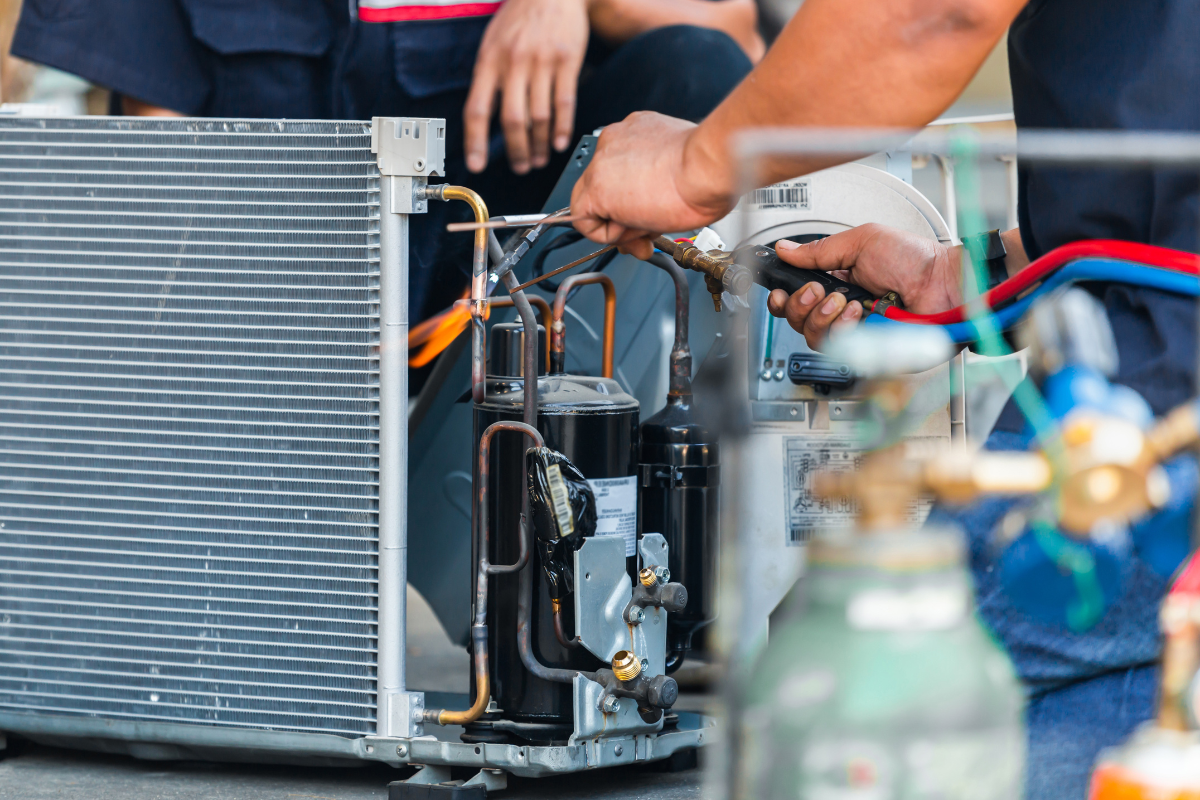
Tampa is rough on HVAC systems for two reasons: heat load and moisture. We ask our equipment to run long cycles from May through October, often afternoons and evenings without a break. That constant demand cooks insulation, dries out fan motor bearings, and accelerates refrigerant leaks at flare fittings and braze joints. Moisture brings its own issues. Outdoor units breathe salt-infused air that corrodes coil fins, screws, and contactors. Indoors, high humidity invites algae and biofilm in the condensate drain, leading to clogs and pan overflows. Then there are storms. Power flickers and lightning can spike control boards, while wind-blown debris clogs condenser coils.
If you understand these stressors, you can target your prevention. Protect electronics from surges, keep coils clean, and treat the drain line before it slimes over. None of that requires a mechanical engineering degree, just a plan and a bit of consistency.
How long a Tampa AC should last
In our market, a well-installed and maintained split system generally lasts 10 to 14 years. Heat pumps that see heavy year-round duty sometimes bow out closer to 10. I have nursed a few systems to 18 years, but that took meticulous cleaning, gentle ramped-speed air handlers, and frequent parts replacements. If your unit is past 12 and the compressor amps are creeping up, start budgeting. Tampa ac repair can keep an older unit alive, but there is a point where air conditioner repair becomes a patch on a tired machine that guzzles kilowatts.
A good rule: if a single repair costs more than 20 to 30 percent of replacement and the system is past 10 years, get a quote for both hvac repair and replacement. Energy savings from a modern 16 to 18 SEER2 system can be meaningful in Tampa’s cooling-heavy climate, sometimes 15 to 30 percent lower usage depending on the ductwork and sizing.
Filters: the single cheapest insurance you have
Most breakdowns start with airflow. Starve the indoor coil of air and it will freeze. Frozen coils turn into water spills and blower damage. Dirty filters also stress motors and increase energy use. I ask clients to match filter strategy to lifestyle and pets, not brand marketing.
If you use 1-inch filters in a hallway return:
- Choose a MERV 8 to 10 pleated filter for most homes. MERV 13 in a 1-inch frame often chokes airflow unless the return is oversized.
That is list one. Keep it short and consistent.
Replace every 30 to 60 days in Tampa’s cooling season. If you have two dogs or you run your fan continuously for air circulation, check every month. A simple test: if you cannot see light through the media when you hold it up, it is time. On larger media filters, the 4-inch cabinet filters, the target is every 4 to 6 months. Put a reminder in your calendar and stick to it. I have opened air handlers where the filter had bowed in and let dust bypass, matting the coil like felt. That usually requires a professional coil cleaning and a lecture everyone would rather skip.
Coil cleanliness and why it matters
Condenser coils outside dump heat into the air. Evaporator coils inside absorb heat. Dirt on either side acts like a blanket. On outdoor units, pollen and mower clippings mash into the fins. Pull the disconnect, remove the top grille if you can safely do so, and rinse from the inside out with a garden hose, low pressure. Do not blast at an angle that folds fins. I prefer a dedicated coil cleaner once a year, then light rinses mid-season. For homes near the bay or with salty breeze, rinse monthly during peak pollen and mowing. Salt eats fins. A set of fins that has lost its sharp edges will not move heat well, so gentler but frequent rinses win over aggressive once-a-year scrubbing.
On indoor coils, homeowners should avoid harsh chemicals and brushes. If you suspect buildup, musty odor, or your drain pan grows a green beard, schedule an ac repair service visit to clean the coil in place. A professional foaming cleaner, pan treatment, and careful rinse can restore performance without risking a water spill. If your system has a UV light pointed at the coil, it can reduce biofilm growth, but bulbs fade after roughly a year. Replace annually, ideally before peak season.
The condensate drain: Tampa’s most underappreciated failure point
In our humidity, the drain line is a workhorse. A clogged drain shuts your system down if you have a float switch, which you should, or it overflows and stains drywall if you do not. I have seen homes where a $30 float switch would have saved a $3,000 ceiling repair. Ask any ac repair service in Tampa, and they will tell you summer drain calls keep them busy.
Simple prevention works. Pour a cup of distilled white vinegar in the drain cleanout every month in peak season. If the smell bothers you, follow with a cup of water. Vinegar discourages algae. Bleach is stronger but can be harsh on metals and rubber components, and the fumes can irritate. I prefer vinegar for routine maintenance and an annual professional flush with compressed nitrogen or a wet-dry vac pull at the exterior drain termination to verify clear flow. If your drain exits near landscaping, keep it clear of mulch that can backflow debris into the pipe.
Make sure you have a float switch on the drain pan or secondary pan. If not, add one. It is the cheapest insurance you can put on an air handler.
Thermostat settings that help your system, not just your comfort
I hear versions of the same story: a homeowner sets the thermostat to 68 at 5 pm after leaving it at 78 all day, then wonders why the coil freezes. A big set-back in a humid climate cools the air faster than it removes moisture, and a cold coil in warm, humid air can ice. The fix is gentle scheduling and reasonable targets.
Aim for a 2 to 4 degree change for setbacks, not 8 to 10. Use a smart thermostat with a dehumidification mode if your system supports it. Many variable-speed air handlers can slow indoor fan speed to strip more moisture when humidity climbs, at the cost of a slightly lower supply-air temperature. That trade works in Tampa, where a 72 degree, 48 to 52 percent relative humidity home feels crisp compared to 72 at 60 percent.
Avoid fan-only circulation for long stretches on swampy days. While circulation evens temperatures, it can re-evaporate water from the coil and pan, bumping indoor humidity. Auto fan with occasional programmed circulation windows, 15 minutes per hour, strikes a balance if your system needs air mixing.
If your thermostat sits in direct sun or near a kitchen, it will lie to you. I moved one off a west-facing wall in a Davis Islands bungalow and the system runtime dropped 12 percent the next month. Bad data makes bad control decisions.
Sizing and ductwork: the hidden culprits behind frequent repairs
A common Tampa problem is oversized equipment. When a 4-ton unit serves a home that needs 3 tons, the system short-cycles. It cools fast, barely dehumidifies, and turns off. Compressors do not love short bursts. They prefer steady, moderate runtime that moves heat and oil smoothly. Oversizing also amplifies duct static if the return is undersized, which strains the blower.
Ducts matter as much as the box. Leaky or undersized ducts force the blower to work harder, pull hot attic air into the system, and deliver less cooling to rooms. If two bedrooms never cool and the system seems fine, check duct sizing and balance. Florida Building Code calls for duct sealing with mastic and insulating in attics, but older homes often have flex duct kinks and leaky boots. A static pressure test and room-by-room airflow check can solve chronic comfort complaints that people mistakenly attribute to the condenser.
If you are debating between more aggressive ac repair and replacement, insist on a load calculation and duct evaluation. A precise Manual J and a quick Manual D look will save you years of wasted energy and callbacks.
Power quality, storms, and surge protection
Lightning loves Florida. Power blips and surges kill capacitors and control boards. I have replaced boards that looked fine to the eye yet failed under load after a stormy weekend. A whole-home surge protector at the main panel, paired with a dedicated surge protector at the condenser disconnect, is cheap compared to an ECM blower motor or an inverter board. While nothing can stop a direct strike, these devices blunt the smaller spikes that chew away at electronics. If your lights flicker or the fridge complains after storms, do not skip this step.
If you lose power for an hour or more, let pressures equalize before starting the AC. Wait a full five minutes after power returns to call for cooling. Most modern thermostats have this delay built in, but older ones do not. Starting a compressor into high head pressure shortens its life.
Routine maintenance that pays for itself
Preventive maintenance is not just a tune-up checklist. It is a structured way to catch problems before they cascade. A solid Tampa ac repair company will do more than spray a hose. Expect them to:
- Measure superheat and subcooling to confirm charge and system health.
This is list two and the final allowed list.
Beyond those items, ask them to test static pressure and document findings. A quick snapshot of external static tells you how hard the blower works to push air through your duct system. High static, anything above manufacturer limits, usually 0.5 inches of water column on many air handlers, indicates restriction. Fixing that can cut noise and energy use while protecting the blower.
Twice-a-year visits make sense for heat pumps that also heat in winter. For straight cool systems with electric strip heat rarely used, once per year before May works if you are diligent with filters and drains. If your system serves a short-term rental that runs hard with guests, spring and late summer checks can prevent mid-stay emergencies.
Common early warning signs and what they really mean
Warm air at the registers. Check the outdoor unit. If the condenser fan runs but the compressor is silent, you may have a failed capacitor or contactor. If both are dead, verify the breaker and the disconnect fuses. Do not keep resetting a breaker that trips. That is the system telling you it is hurt.</p